
What Does Flood Insurance Actually Cover in Your Basement?
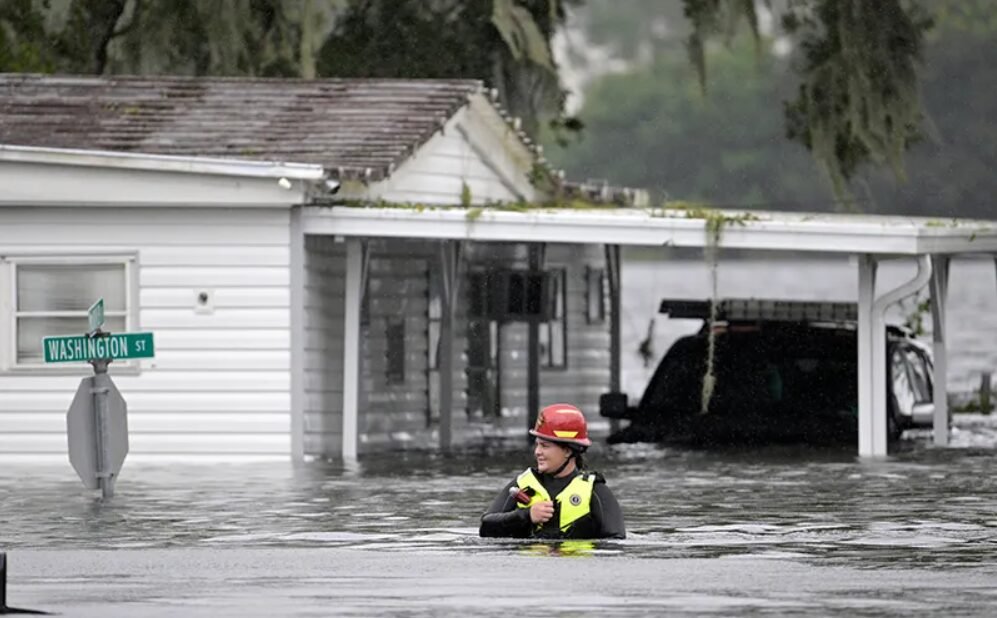
What Does Flood Insurance Actually Cover in Your Basement?
Many homeowners mistakenly believe that a standard property policy protects their lowest living level from rising waters. This dangerous assumption often leads to heartbreaking financial loss when heavy rains or overflowing rivers send mud and debris into a finished basement.
To truly protect your home’s foundation and your stored valuables, you must understand the specific limitations and strengths of flood insurance from Insurance Company Near Me. National programs and private insurers treat basements differently than any other part of the house, often restricting coverage to specific essential equipment while excluding personal items.
The Definition of a Basement Matters
Insurance providers use a specific technical definition for a basement. They consider any area with a subgrade floor—below ground level on all sides—as a basement. This includes walk-out basements if the back wall sits below the exterior soil line.
These areas face a higher risk of hydrostatic pressure and seepage. Therefore, the National Flood Insurance Program (NFIP) and private carriers limit reimbursements. Do not assume a “finished” basement receives the same protection as your kitchen.
Understanding Subgrade Coverage Limits
When water enters a subgrade space, policies focus on the “bones” of the building. While walls and floors may remain covered, expensive livable upgrades often fall into a coverage gray area.
Understanding these distinctions allows you to move high-value items to higher ground early. Knowing where your policy starts and stops helps you make smarter decisions. This ensures you use your underground square footage wisely.
Essential Building Equipment Coverage
Your policy typically covers “mechanicals” vital to your home’s habitability. This includes the furnace, water heater, central air conditioner, and circuit breaker boxes. It also usually extends to pumps, tanks, and solar equipment.
If a flood ruins an expensive basement HVAC system, insurance should pay for repairs. Policies also often cover cleanup costs, such as debris removal. Professional drying of foundation walls is also covered to prevent mold and structural rot.
Exclusions You Must Anticipate
Expect significant limitations for “finished” elements and personal property. Most policies exclude coverage for finished walls, carpeting, paneling, and drop ceilings. These items are often considered elective upgrades in a subgrade space.
Insurance generally won’t pay for furniture, electronics, or clothing stored in a basement. A $5,000 home theater or vintage wine collection likely lacks coverage against floodwater. You must seek specialized endorsements or “excess” policies to protect finished spaces.
Protect Your Home From the Bottom Up
Securing your property against water damage requires a proactive strategy and a clear-eyed look at your current policy documents. While Flood Insurance remains your best defense against the rising tide, you must manage your basement space with its specific limitations in mind. Don’t wait for a federal disaster declaration to find out that your finished basement isn’t fully covered. By upgrading your equipment and moving your most precious belongings to the second floor, you minimize your risk and ensure your family recovers quickly after a weather event.
When you want to clarify the specifics of your policy or find a more comprehensive plan for your home, contact Insurance Company Near Me. Our experienced agents specialize in local flood maps and can explain exactly how to fill the gaps in your basement coverage.